
What is a storyboard, pt.2



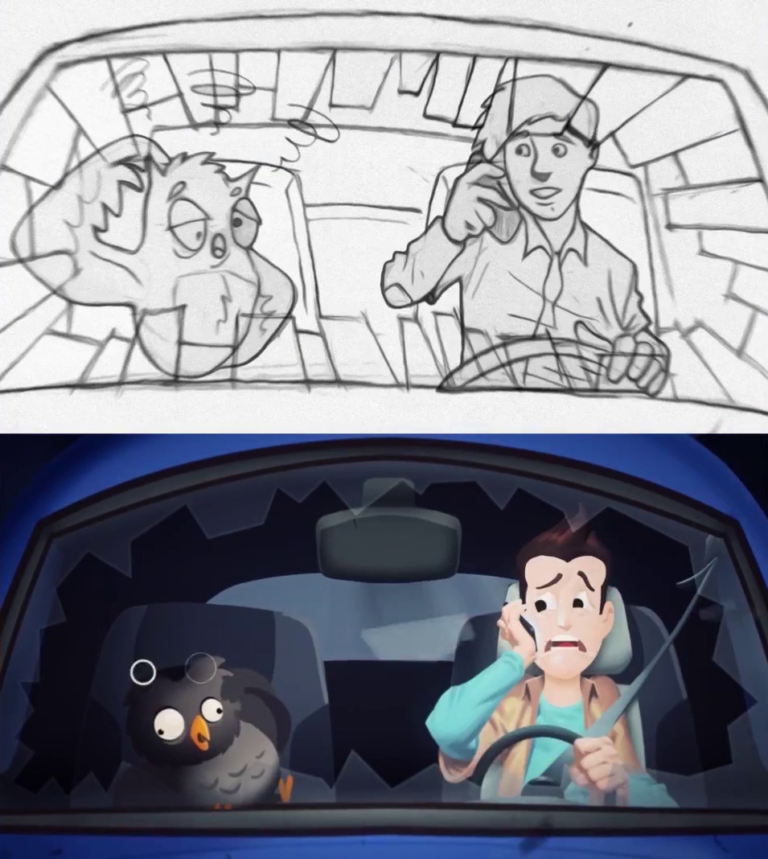
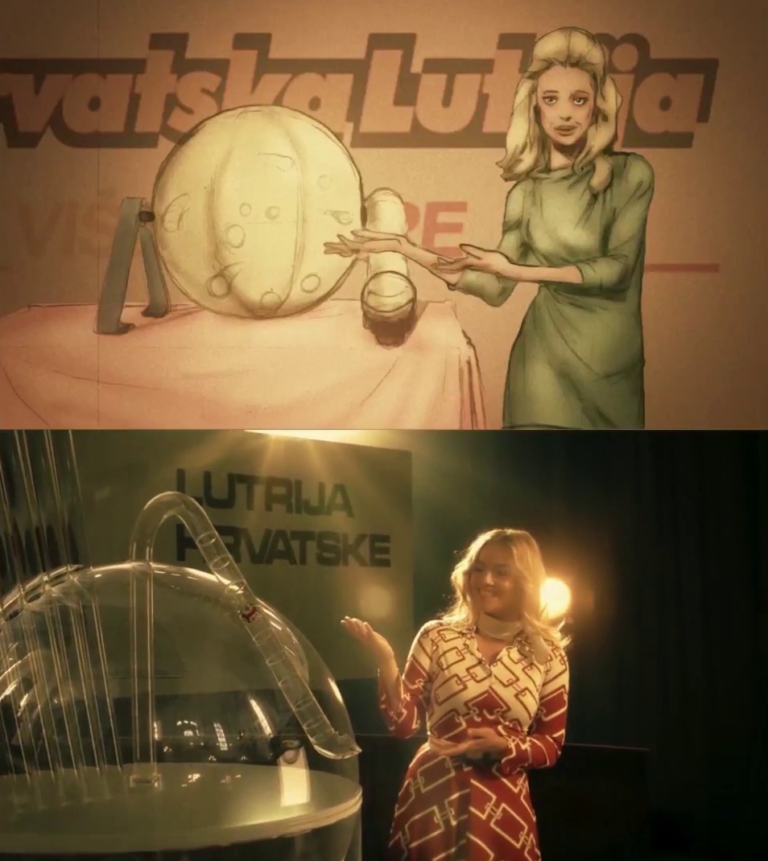
In part one we covered what a storyboard is and how it relates to shot planning. This time I’m writing about one particular kind: the agency storyboard.
From client to drawing
When a company or brand (the client, from here on) wants an ad, it usually goes to an agency, a studio, or both. The client explains what it wants and expects; the agency comes up with an idea — or several — to show the brand in the right light.
That idea has to be sold before anyone has shot a single frame. Enter the illustrator. The agency usually sends:
- the script or a description of the idea,
- a breakdown of scenes and shots — what has to be seen, and when,
- references — photos or clips showing the mood, light and look the client wants,
- often brand guidelines too: colours, packaging, logo, how the product may be shown.
From that comes a set of drawings the client can flip through in a meeting and immediately picture the ad.
The brand has to look its best
With an agency storyboard, telling the story matters — but showing the brand at its best matters even more. So I stick to the agency’s brief as closely as I can, and the drawings need to be polished and appealing: often in colour, without cartoony characters or rough sketches. Unless, of course, that’s exactly what’s asked for.
The reason is simple. A client looking at a storyboard doesn’t see the ad yet; they see drawings. If the drawings are rough or misread, the client can get the wrong idea of the final product and drop a concept that’s actually good. A weak drawing can kill a strong idea.
A presentation storyboard can therefore be more polished than a working board for the shoot. It may emphasise the product, characters and mood; a drawn location or actor doesn’t necessarily mean either has already been chosen.


How many frames?
An agency storyboard doesn’t need every shot. It needs enough key moments for the client to follow the idea: the opening, the turn, the product moment and the ending, when they are part of the story. The scope depends on the project.
When the client says yes
When (not if, let’s hope) the client approves the idea, the agency moves into pre-production. On some projects a director is brought in at this point; on others, they join earlier. Their task is to bring the idea to the screen, big or small. And for that director to show the client exactly how the ad will be shot, they need a visual presentation too. You guessed it: a storyboard!
We love drawing at Brojka, and a storyboard often grows into a film, which makes us even happier. More on that, and on the director’s storyboard, in part three.
Ivica Ico Pustički
Preparing to pitch an idea to a client? We’d be happy to draw it.
Related topics: previsualisation · creative solutions · video production.
What can we do for you?
Your privacy choices
Choose whether to allow YouTube/Vimeo videos and Google Analytics. Both are optional. You can change your choices at any time.
How your choices work
YouTube and Vimeo videos load only if you allow external media. Their providers then receive your IP address and browser information and may use cookies. You can use the website and contact us without allowing them.
With your separate permission, Google Analytics measures visits and successful form submissions. Google receives technical visit information and, for known campaign links, the source, medium and campaign label. Advertising measurement and Meta Pixel are inactive. We remember your choices for 180 days; you can change or withdraw them at any time.