
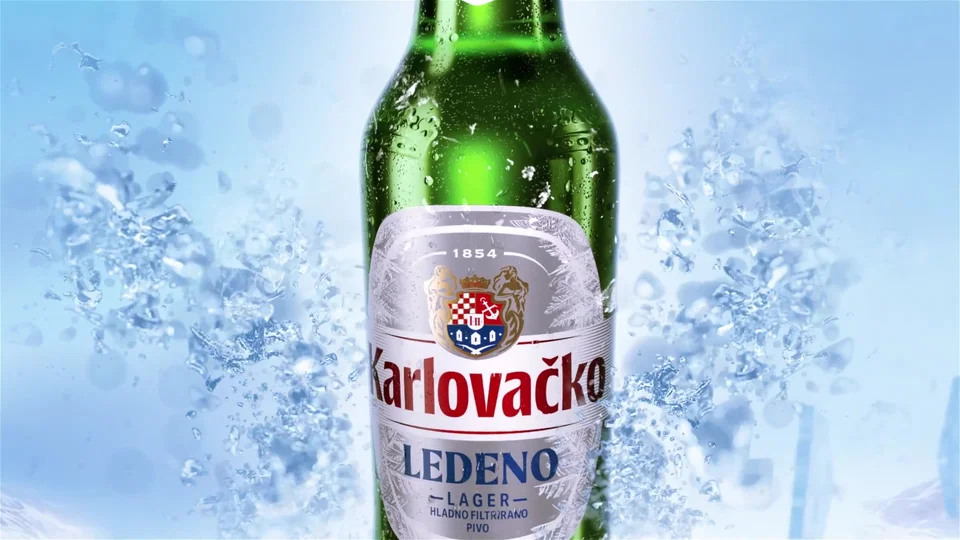
3D ANIMATION
A product can be on screen before it is in production.
We use 3D animation to open up mechanisms, present products and build spaces for a camera to explore.
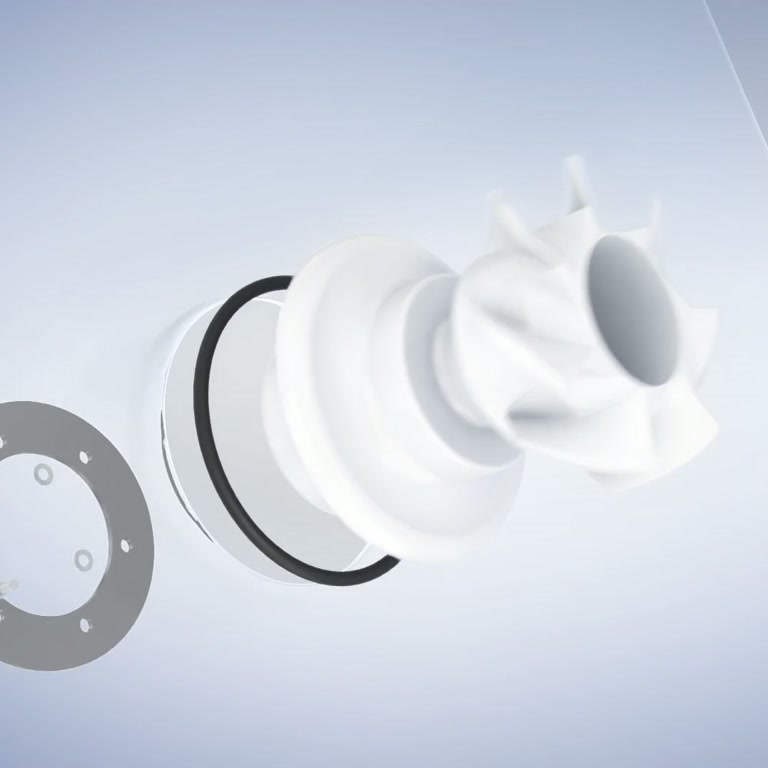
A model is not an animation
A model is a digital form. Materials define its surfaces, light and camera shape the mood, animation adds time, and rendering produces the finished frames.
A model sitting still in an image and a model taking itself apart in front of the viewer are different jobs, even when it is the same product.



What should the camera reveal?
An internal mechanism, a comparison of variants, or a world for a character? The answer sets the detail, the style and the camera’s path. An accurate technical view needs its dimensions and operation checked; an illustrative one allows more simplification.
Pull the parts apart too quickly and viewers miss how they fit. So we show the whole first, then move in on the part that carries the story.
A trade-show visitor needs a short, silent loop; someone learning a procedure needs a slower version with labels. We discuss that before the first shot.
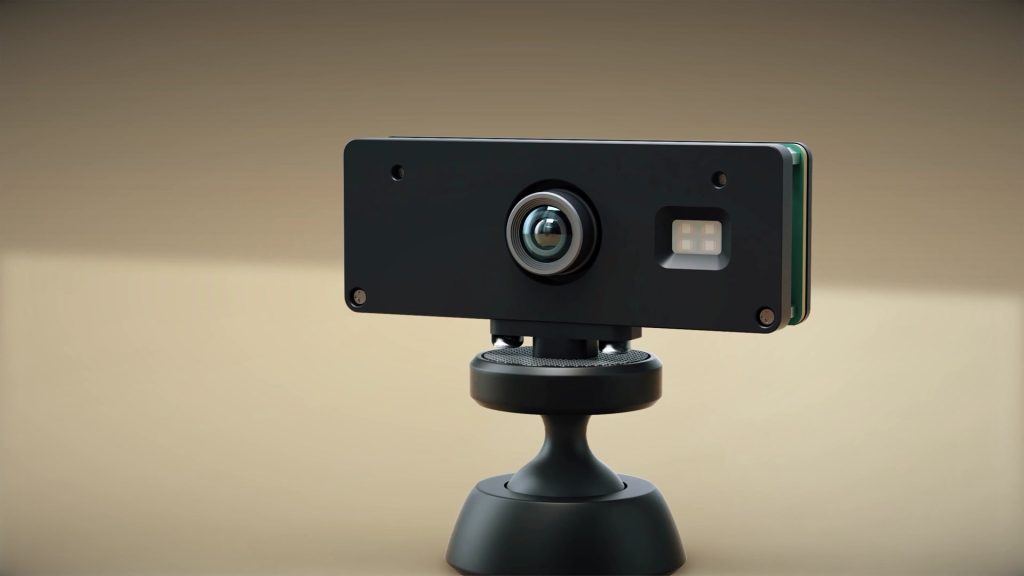
A drawing, a photograph or the real thing
Technical drawings, CAD data, photographs, samples and sketches all help, but each is reviewed for its intended use. Where source material is thin, we agree what can be shown reliably and what is interpretation.
Previsualisation tests shots and movement before final production.
A film model isn’t automatically app-ready
A model built for film is a good start for an interactive experience, but usually needs a different level of detail, new materials and optimisation for the device. Knowing early whether it is headed for film, web, an app or an installation helps.
In Jana: bring the label to life, a landscape inspired by Ivan Rabuzin’s paintings moved from visual displays into augmented reality on phones and kept its rounded forms. Kristijan Kaurić conceived the AR idea, and we worked with McCann Zagreb.
What affects scope and timing?
Model complexity, the desired look, animation, number of shots, duration and delivery. A sketch, model or test frame before final production shows what still needs adjusting.
An estimate follows the brief, not just the seconds in the finished film.
Start with what you want to show
Show us a product, a sketch or a question you need to explain. Together we decide what to show, in which style and for which medium.
Showreel of our 3D animations

Clients and partners


From the blog


What should we show beneath the surface?
Your privacy choices
Choose whether to allow YouTube/Vimeo videos and Google Analytics. Both are optional. You can change your choices at any time.
How your choices work
YouTube and Vimeo videos load only if you allow external media. Their providers then receive your IP address and browser information and may use cookies. You can use the website and contact us without allowing them.
With your separate permission, Google Analytics measures visits and successful form submissions. Google receives technical visit information and, for known campaign links, the source, medium and campaign label. Advertising measurement and Meta Pixel are inactive. We remember your choices for 180 days; you can change or withdraw them at any time.